Project 02 AI · Emergency Response
Hyd-DSS
An emergency decision-support system that ranks incidents by how serious they are, not by who called first.
Overview
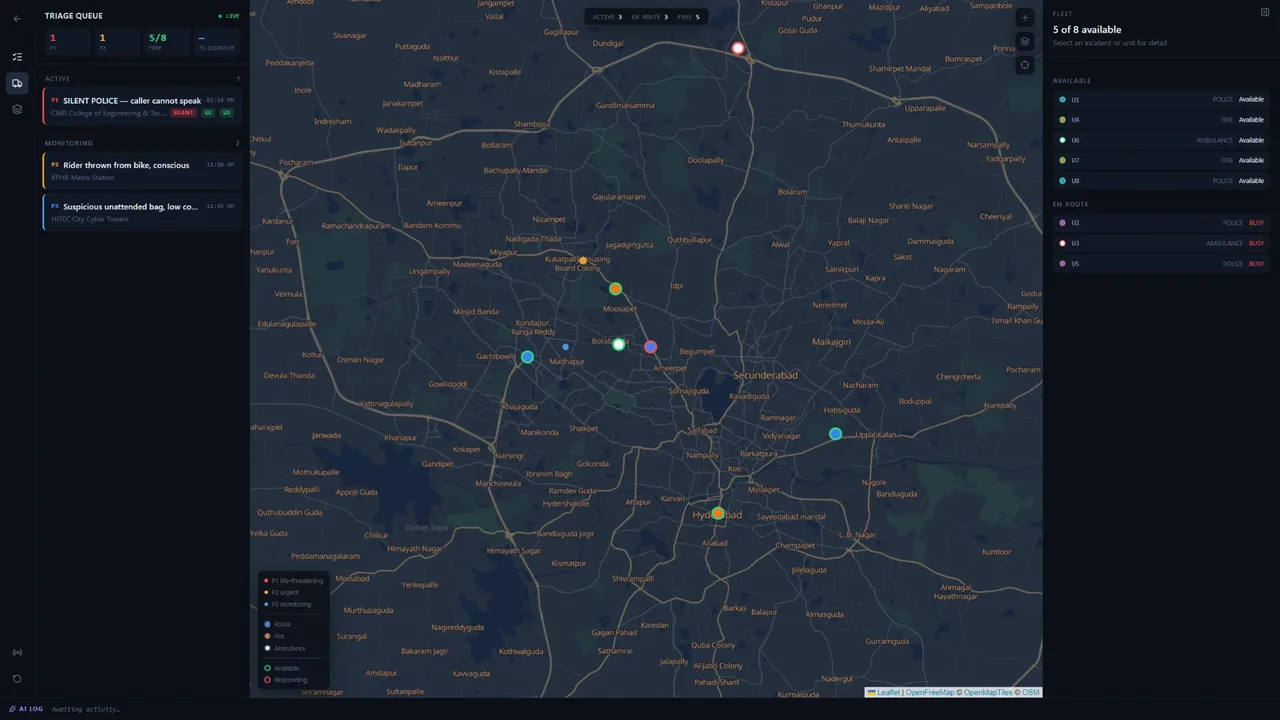
Hyd-DSS is an emergency decision-support ecosystem built to cut dispatcher overload and allocate first responders better. It replaces the existing first-come-first-served approach with a severity-based algorithm that sets priority dynamically.
Around that core sit AI hotspot detection, a human-in-the-loop dispatch engine, and a citizen-facing SOS portal.
The problem
In a first-come-first-served queue, a minor call that arrives first is handled before a critical one that arrives a minute later. When incidents spike, dispatchers are left triaging by hand, and spotting patterns across calls depends on someone noticing them.
How it works
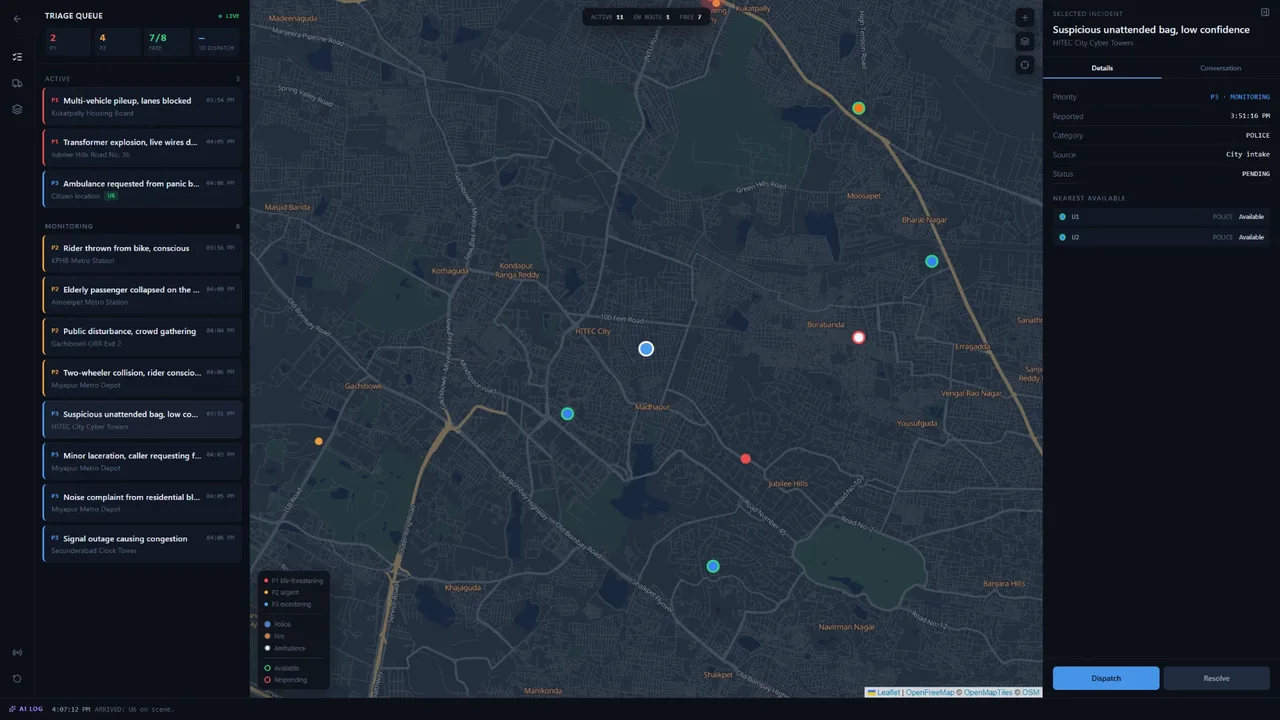
- Severity-based priority. Incidents are ranked by severity and re-prioritized dynamically, instead of by arrival order.
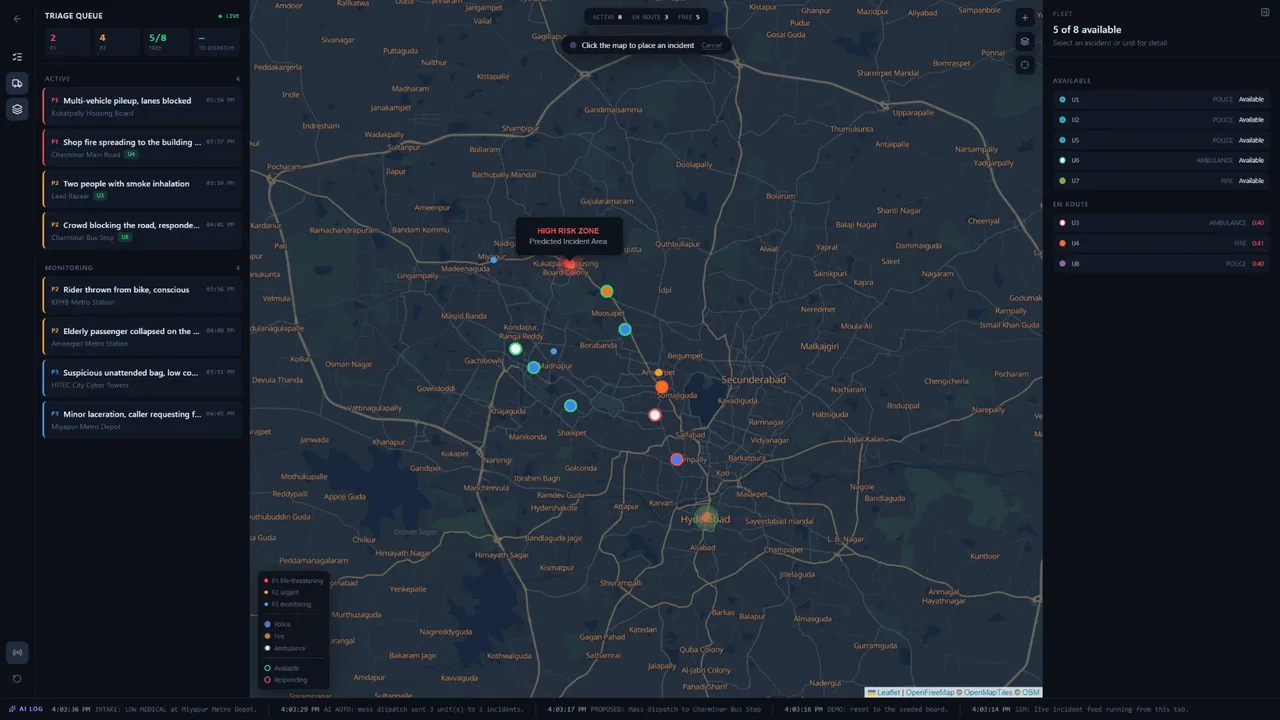
- AI hotspot detection. The system continuously analyzes incident density, severity and proximity, clustering things like localized dengue cases or fire reports, and flags potential threats instead of relying on manual observation.
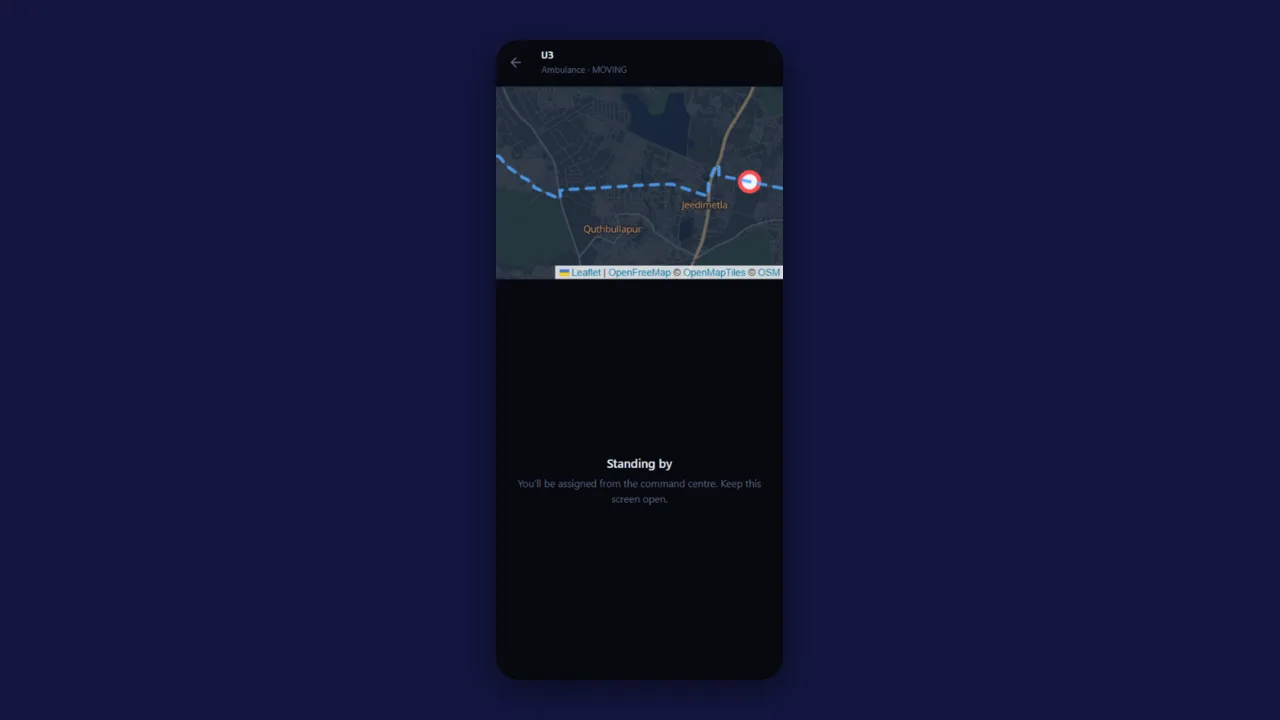
- Human-in-the-loop dispatch. A recommendation engine suggests how to route ambulance, fire or police units, while final control always stays with the operator.
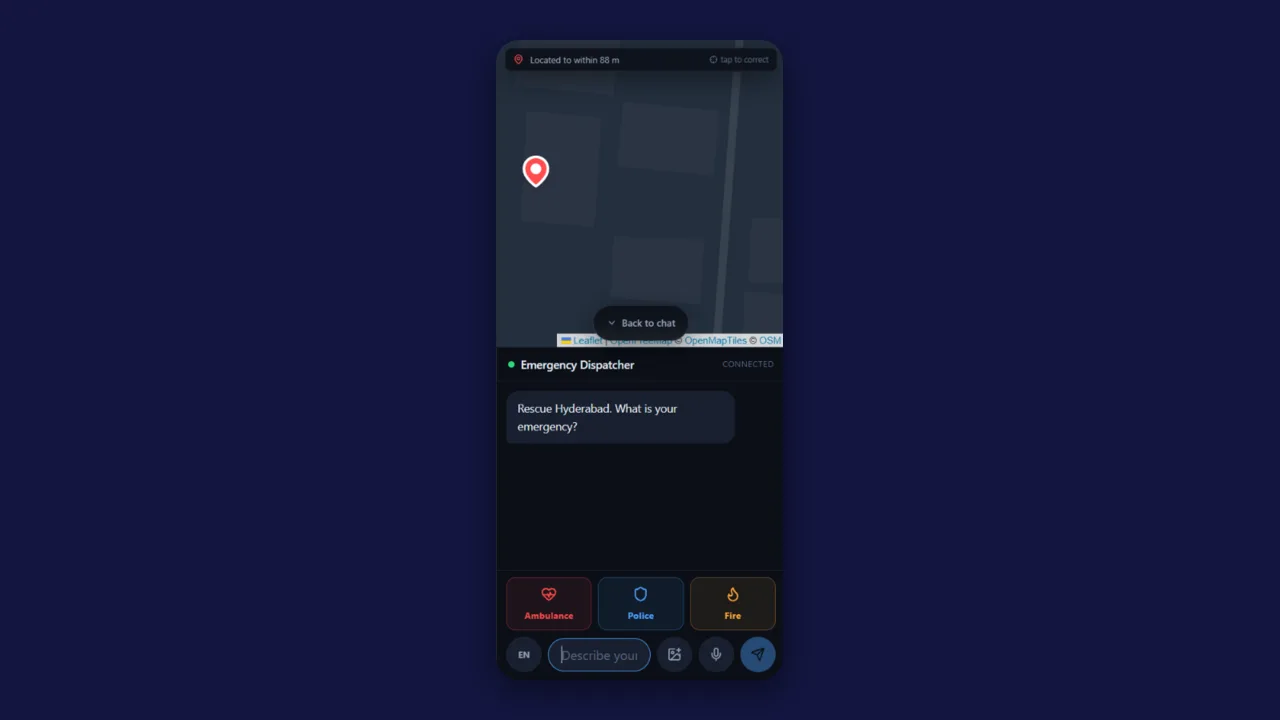
- Citizen SOS portal. A public portal with auto-geolocation and live maps takes SOS reports.
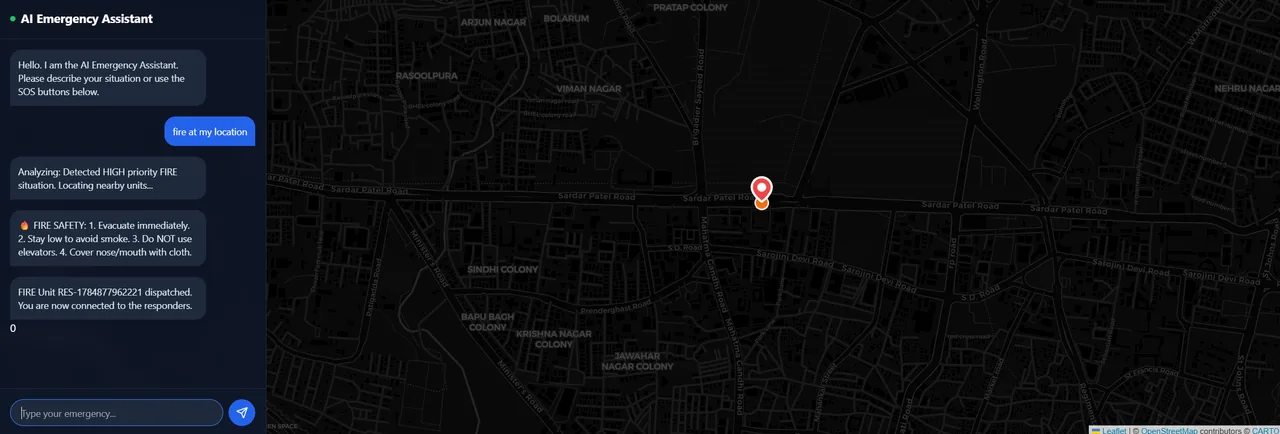
- A conversational front door. In the demo, an AI emergency assistant takes the report in plain language, flags its priority (a high-priority fire, say), gives immediate safety steps and confirms the unit that’s been dispatched.
Key features
-
01
Severity triage
Priority comes from how serious an incident is, not when it arrived.
-
02
Hotspot detection
AI clustering of incident density, severity and proximity.
-
03
Dispatch recommendations
Suggested routing for ambulance, fire and police units.
-
04
Operator in control
Recommendations only. A human makes every final call.
-
05
SOS portal
Auto-geolocated distress reports from citizens.
Challenges & what I learned
The hard part of a system like this is trust: a severity score or a hotspot flag is only useful if operators believe it. Keeping a human in the loop for every dispatch is what makes the automation acceptable in the first place.
What’s next
Connecting real incident feeds, and measuring response times against the first-come-first-served baseline.
07 — Gallery
In pictures.